All about the rainbow lorikeet:
Reproduction- The circle of life
The reproduction process in rainbow lorikeets is
quite complex. It begins
by courtship, usually in the spring, which in itself is pretty
in-depth. The male
rainbow lorikeet, which looks similar to the female, begins
courtship by flapping its wings animatedly and moving
his legs up and down energetically.
If the female is interested and it is time for her to
begin breeding, her internal chemistry will be alt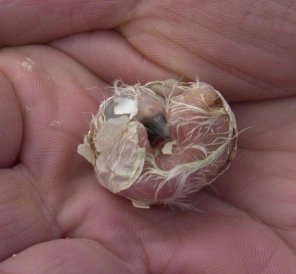 ered.
Fertilization is internal, and the female will hatch two-three
amniotic eggs at the bottom of their tree hollow.
Only the female can sit on the eggs, but the male will
bring her food. After 25
days, the eggs will hatch.
For the next eight weeks, the fledglings will be cared for
by both parents. Then
after eight weeks, the fledglings leave the nest with their
parents for another two weeks of care.
The adults can then start the process all over again,
sometimes breeding up to three times in one year. Currently
there are about 5,000,000 rainbow species alive.
ered.
Fertilization is internal, and the female will hatch two-three
amniotic eggs at the bottom of their tree hollow.
Only the female can sit on the eggs, but the male will
bring her food. After 25
days, the eggs will hatch.
For the next eight weeks, the fledglings will be cared for
by both parents. Then
after eight weeks, the fledglings leave the nest with their
parents for another two weeks of care.
The adults can then start the process all over again,
sometimes breeding up to three times in one year. Currently
there are about 5,000,000 rainbow species alive.
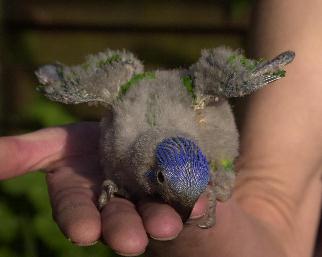
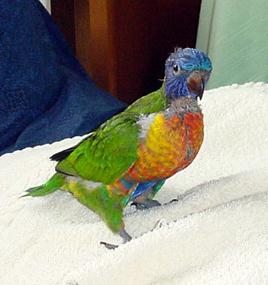
The picture below on the left shows a four-week old rainbow lorikeet, and it doesn't display the colorful plumage yet. The picture below on the right shows a two-month old rainbow lorikeet. As you can see, its colorful feathers are finally starting to show.
Click here to learn about the interactions rainbow lorikeets have with other organisms.